

Fixed assets are long-term assets that a business holds for more than one year and are used in the production of goods and services. The disposal of fixed assets refers to the process of selling or otherwise getting rid of these assets when they are no longer needed. In the other method of recording depreciation, an account in the name of accumulated depreciation is created.
What is a depreciation expense?
From understanding basic principles to leveraging advanced tools like Emagia, businesses can streamline their processes Payroll Taxes and make informed decisions regarding asset management. By mastering these journal entries, you can enhance financial clarity and ensure compliance with regulatory requirements. Depreciation is a fundamental accounting concept that allocates the cost of tangible assets over their useful lives. Properly recording depreciation through journal entries ensures accurate financial statements and compliance with accounting standards.
Funny Accounting Jokes To Make Anyone Laugh
An expenditure directly related to making a machine operational and improving its output is considered a capital expenditure. In other words, this is a part of the machine cost that can be depreciated. For example, installation, wages paid to install, freight, upgrades, etc. Assets such as plant and machinery, buildings, vehicles, furniture, etc., expected to last more than one year but not for an infinite number of years, are subject to depreciation. The value of a “good” asset turnover ratio depends on the industry or type of organization considered. For example, in the retail industry, a good asset turnover ratio could be around 2.5, whereas a company in another sector may be aiming for a turnover ratio in the range of 0.25 – 0.5.
What is the Difference Between Carrying Cost and Market Value?

This expense is presented in the income statement while the accumulated depreciation is presented in the Balance Sheet as the contra account of the fixed assets. In accounting, depreciation is an expense account to record the allocation of the cost of fixed assets or non-current assets over the useful life or life expectancy of the assets. Outside of the accounting world, depreciation means the decline in value of an item after purchase. In accounting, depreciation is the process of allocating the cost of an item over journal entry for depreciation its anticipated useful life. This helps to ensure that company revenues are matched with the costs of assets used by a company to generate that revenue.
- Accumulated depreciation, on the other hand, is the total depreciation recorded for an asset since it was acquired.
- Our balance sheet is in equilibrium, and our net profit of $400 matches our retained earnings.
- It is recorded in both the balance sheet and the income statement and has an impact on the net income and cash flow of a company.
- When a company sells an asset, it must accurately record the transaction in the journal entries.
- Organizations must exercise judgment to determine a reasonable dollar threshold based on factors such as the size of their entity and type of operations.
- The company usually cannot tell exactly how long the asset will be used.
Conclusion: Keep Your Depreciation Records Simple and Accurate!
- Each scenario requires specific journal entries to maintain accuracy in financial reporting, and failure to execute these properly can lead to significant discrepancies in financial reporting.
- Some firms calculate depreciation from the middle of the month of purchase.
- If an organization utilizes an ERP, it may use the fixed asset module available from the ERP instead of third-party fixed asset software.
- ASC 360, Property, Plant, and Equipment is the US GAAP accounting standard regarding fixed assets (ASC 360).
- It accounts for the wear and tear, obsolescence, or other factors that reduce an asset’s value over time.
- This mistake leads to overstating the value of assets on the balance sheet, making it look like your company still owns assets it doesn’t.
Now that we know the process, let’s review examples of depreciation journal entries. It ensures proper expense allocation, reduces taxes, and keeps books compliant with accounting standards. Accumulated depreciation is the total of all depreciation expenses recorded for an asset since its acquisition. Recording depreciation ensures compliance with accounting principles, https://www.bookstime.com/ accurately represents asset value, and matches expenses with revenue.
In 2023, the van will be used for 3 months only (January to March) since it has a useful life of 5 years (i.e. from April 1, 2018 to March 31, 2023). Notice that at the end of the useful life of the asset, the carrying value is equal to the residual value. Functional or economic depreciation happens when an asset becomes inadequate for its purpose or becomes obsolete. In this case, the asset decreases in value even without any physical deterioration. For the past 52 years, Harold Averkamp (CPA, MBA) hasworked as an accounting supervisor, manager, consultant, university instructor, and innovator in teaching accounting online.
Processing
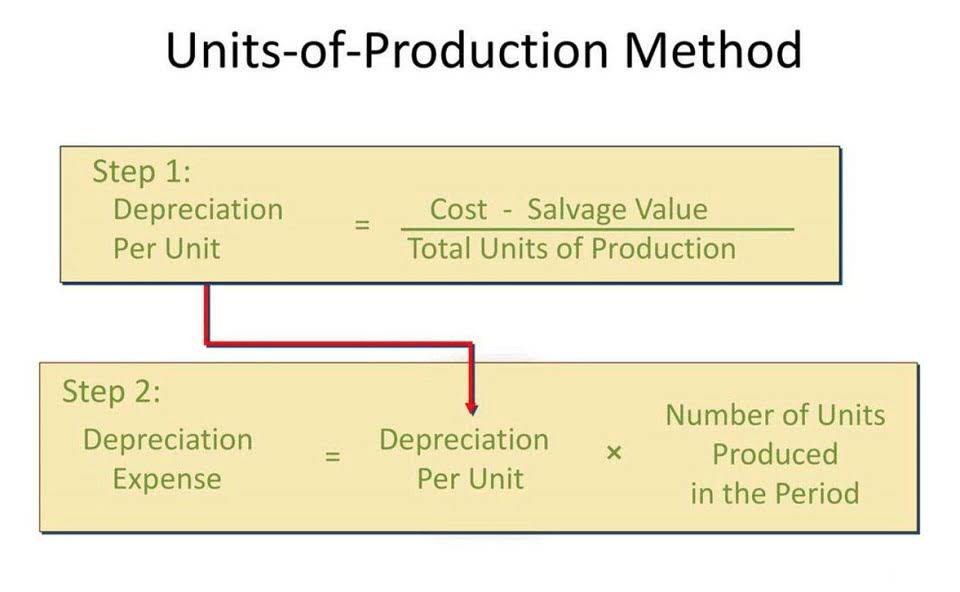
Depreciation is most commonly recorded monthly to match expenses with the revenues generated during each period. Some organizations choose quarterly or annual entries if activity is minimal or their reporting requirements are less frequent. The chosen frequency must be applied consistently and documented in the entity’s accounting policies. Show entries for depreciation, all relevant accounts, and the company’s balance sheet for the next 2 years using both methods. Transfers may occur during the lifecycle of a fixed asset for various reasons.
Depreciation Expense Journal Entry Example
Depreciation for the year was calculated on the straight-line method. Since the oven had no salvage value, the depreciation expense for the year is simply $10,000 divided by 10 years or $1,000 per year. NetAsset (available for NetSuite or any ERP) is a user-friendly fixed asset management solution created to simplify the entire fixed asset lifecycle, from asset creation to tax reporting. When assets are purchased or disposed of mid-year, depreciation must be prorated based on the time the asset was in use. If additional equipment is purchased mid-year, calculate prorated depreciation and adjust entries accordingly. Now, to calculate the depreciation expense for year 2, we will need to determine the new book value of the asset as well.